ECO Green House Greenhouse Solutions

Greenhouses for Commercial Growing Projects

Greenhouse Structures and Growing Systems

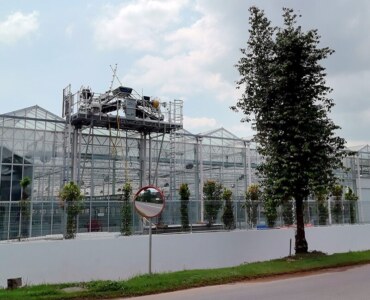
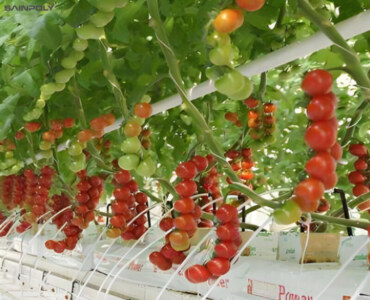
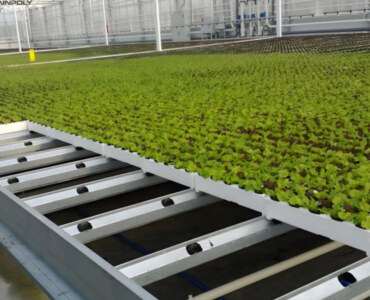
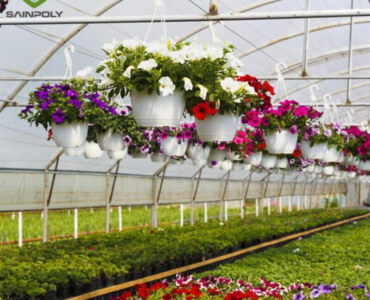
ECO Green House helps growers compare greenhouse structures, covering materials and cultivation systems for their projects. Explore multi span, Venlo, Gothic and semi closed configurations, together with hydroponic equipment and options for tomatoes, lettuce, flowers, strawberries and blueberries. Review the frame, ventilation, irrigation and climate equipment as one complete project scope. Share your location, growing area, crop and preferred covering so we can organize the relevant specifications and a project quotation.

Our team can help with product selection, specification questions and quotation enquiries. Send your project requirements, compare suitable configurations and confirm the equipment and delivery scope before ordering. Contact ECO Green House to discuss your growing plans.

Your Reliable Dongying
Manufacturers & Suppliers from ECO Green House

Greenhouse Solutions for Commercial Growing Projects

Why Choose Our Greenhouses
for Your Next Project

Compare greenhouse configurations and project support using clear specifications for your growing requirements:

  • Greenhouse options for different crops
  • Project specifications tailored to your growing requirements
  • Clear equipment scope for each greenhouse project
  • Shipping options for your project destination

Be an Expert When Importing Products from China

Check Our Latest News and Articles.

Commercial Greenhouse project layout

Choosing a Greenhouse Site: Utilities, Access and Terrain

A suitable greenhouse site needs more than enough land for the roof. Water, power, drainage and vehicle access can determine whether a production plan is practical and whether equipment installation can proceed smoothly.

Commercial Greenhouse project layout

What Is Included in a Turnkey Commercial Greenhouse Project?

Turnkey is a scope description that needs a written definition. Before comparing greenhouse packages, establish where the supplier’s responsibility starts and ends, from site preparation to equipment commissioning and operator training.

Semi-Closed Greenhouse project layout

Humidity Management in a Semi-Closed Greenhouse

Humidity management combines moisture sources, air movement and the equipment used to remove or redistribute moisture. In a semi-closed greenhouse, understand the operating sequence before selecting extra equipment or changing control settings.

Semi-Closed Greenhouse project layout

Semi-Closed vs Conventional Greenhouses: Comparing Climate Control Scope

Semi-closed greenhouse proposals can contain very different air-handling and cooling arrangements. Define the climate-control scope before comparing them with a conventional ventilated house, because the label alone does not describe performance or operating cost.

Gothic Greenhouse project layout

Choosing Single or Double Film for a Gothic Greenhouse

Film selection affects the covering assembly, light conditions, maintenance and climate equipment. A single-layer and an inflated double-layer proposal should be compared as complete systems for the intended production season.

Gothic Greenhouse project layout

Gothic vs Round-Arch Greenhouses: Roof Shape and Project Needs

A pointed Gothic profile and a rounded arch can suit different layouts, but the roof outline is only one part of the specification. Compare clearance, covering, ventilation and the engineered frame before choosing a greenhouse shape.

Keep updated with ECO Green House News

Explore What Matters to
Greenhouse Project Buyers

ECO Green House

Project Support

For a greenhouse project, clear specifications, suitable covering and a defined equipment scope make comparisons easier. ECO Green House helps organize product selection, project questions and quotation details so growers can review the proposed package before ordering.

Questions & Answers on Greenhouse Projects

Why choose ECO Green House?

Choose a greenhouse supplier by comparing the proposed structure, equipment scope and project support, rather than relying on a photograph alone. ECO Green House presents greenhouse configurations for different crops, covering materials and growing methods. Start with your project location, available growing area and target crop. These details help identify which options deserve a closer technical comparison. A useful quotation should explain what is included, which items are optional and what the buyer must arrange locally. This makes the purchasing decision clearer and reduces misunderstandings when different suppliers use different package descriptions.

Review the frame dimensions, covering specification, ventilation arrangement and growing system together. For example, a film greenhouse and a glass greenhouse may require different maintenance plans and climate equipment. Hydroponic production also needs a defined irrigation and nutrient management approach. Ask how the selected configuration addresses local conditions and how its components will be connected. Request drawings and a written equipment list before treating a preliminary proposal as a final design. Any structural performance, energy requirement or installation responsibility should be confirmed for the actual site.

Compare service details alongside the purchase price. Clarify the drawing review process, packing information, shipping scope and available installation guidance. Check which consumable items require periodic replacement and which spare components should be ordered with the initial shipment. Ask who will coordinate technical questions after delivery and what information will be required to diagnose a problem. A practical project plan should include the buyer's utilities, foundations, access requirements and local construction responsibilities, not just the greenhouse components supplied in the package.

For your enquiry, send a simple site plan, crop information, country, preferred covering and expected operating conditions. If you have an existing proposal, include its dimensions and equipment list so the comparison uses the same scope. ECO Green House can help organize product selection and the questions needed for a project specific quotation. Confirm all agreed specifications, commercial terms and responsibilities in writing before placing an order.

Which greenhouse types can I compare?

The catalogue includes multi span, Venlo, hydroponic, Gothic and semi closed greenhouse configurations, together with crop focused options and systems for light control or photovoltaic integration. These names describe different aspects of a greenhouse, so they should not be treated as completely separate technologies. A project can combine a particular roof structure with a covering material and a growing system. Begin by identifying the crop, climate, available land and production method. Then compare the configurations that can support those requirements within your proposed investment and operating plan.

Multi span structures connect several growing bays and are commonly considered when planning a larger cultivation area. Venlo configurations offer a modular roof arrangement, while Gothic designs use a pointed roof profile. Film, glass and polycarbonate coverings each have their own light, insulation and maintenance considerations. The suitable choice depends on the complete system and local conditions. Ask for the proposed dimensions, covering thickness, ventilation layout and structural design assumptions. A category name or product photograph alone cannot establish whether a configuration is suitable for your site.

Hydroponic and crop specific categories help compare the growing equipment inside the structure. Tomatoes, lettuce, flowers, strawberries and blueberries can require different planting layouts, irrigation arrangements and access space. Blackout systems address light scheduling requirements, while semi closed designs involve a more controlled climate strategy. Photovoltaic integration requires attention to crop light, roof loading and electrical design. Ask the supplier to explain which components are supplied, how they work together and which design decisions require input from a local engineer or specialist.

Send ECO Green House your preferred production method, country, growing area and target crop when requesting a comparison. Include any existing drawings, operating targets or equipment that must be integrated. We can organize the relevant catalogue options and a consistent list of specifications for discussion. Confirm the supplier's exact scope, local installation responsibilities, utilities and commercial terms in the final quotation. This approach supports a meaningful comparison between greenhouse types and avoids selecting a package based only on its title or advertised appearance.

How is project capacity planned?

Greenhouse project capacity has two different meanings: the supplier's ability to deliver the components and the growing operation's intended production scale. Both depend on the actual specification. A quotation should not use a general manufacturing figure as a guarantee for your order. Describe the total greenhouse area, bay arrangement, crop and required equipment so the delivery scope can be evaluated. If your project will be built in phases, identify the first phase and the intended later expansion. This helps establish a realistic purchasing and implementation plan.

Component planning depends on the structure, covering material, ventilation equipment, irrigation system and any climate control accessories included in the package. Custom dimensions or additional systems may affect procurement and scheduling. Ask for a clear equipment list and an estimated production sequence for the confirmed design. The schedule should identify which decisions must be finalized before manufacturing begins. Changes to drawings, quantities or covering specifications can require the supplier to review the plan again. Keep these changes documented so both parties use the same order information.

Growing capacity also depends on crop selection, planting density, cultivation method and the local operating environment. A greenhouse area alone does not establish a guaranteed harvest or financial return. Consider the space required for walkways, service areas, water storage and equipment access. Review irrigation demand, ventilation needs, power availability and the practical skills required to operate the proposed systems. For crop planning, use advice appropriate to your production location and growing method. Ask which assumptions have been used when discussing any estimated production outcome.

When contacting ECO Green House, provide the planned growing area, country, crop, covering preference and project timetable. Explain whether you need a complete package or selected components for an existing greenhouse. Include any constraints on site access, shipping or phased installation. We can help organize the specifications needed for a project quotation and delivery discussion. Confirm production availability, shipment timing and installation responsibilities in writing after the design and commercial scope have been agreed. This provides a more useful capacity assessment than an unsupported general number.

What affects samples and lead time?

Sample arrangements and lead time depend on the greenhouse materials, components and degree of customization requested. A complete greenhouse is a project package rather than a small standard item, so sample requirements should be discussed separately from the full order. You may want to review a covering sample, frame connection, irrigation component or other representative material. Explain which feature you need to evaluate and why. The supplier can then confirm whether a sample is available, what it represents and which costs or shipping arrangements apply.

Before requesting a production date, finalize the main dimensions, structural requirements, covering specification and equipment scope. Drawings may require several rounds of review, particularly when utilities, foundations or existing buildings must be considered. The production schedule should be based on an approved specification rather than an early enquiry. Ask which components are standard and which require custom preparation or external procurement. Confirm whether the quoted lead time starts after drawing approval, payment confirmation or another agreed milestone. Record that starting point in the order documents.

Shipping and installation take additional time beyond manufacturing. Consider packing preparation, container availability, transit, customs clearance and local delivery to the site. Weather, site readiness and access can also affect installation planning. If you have a required planting date, work backwards through these stages and discuss the practical sequence with the supplier and local contractors. Do not assume an estimated production time also includes international transport or commissioning. Ask for separate estimates so the project timetable reflects the complete delivery and construction process.

Send ECO Green House your country, destination port, desired project date and the specification you want reviewed. If samples are needed, identify the material or component and provide the delivery address during the agreed ordering process. We can help organize the sample enquiry and the questions required for a production quotation. Confirm sample charges, freight, manufacturing availability and delivery terms before payment. If the specification changes, request an updated schedule. Written milestone dates and clear responsibilities provide a dependable planning basis without relying on a generic advertised turnaround time.

Can the greenhouse be customized?

A greenhouse configuration should be evaluated against the actual site and growing plan. Customization can involve dimensions, covering, ventilation, irrigation, planting layouts and climate equipment. However, not every requested change can be accepted without reviewing its effect on the structure and connected systems. Describe the problem you need to solve, rather than only asking for a different size. Include your country, crop, growing area and intended production method. These details give the supplier a useful basis for discussing an appropriate configuration and its practical limits.

Begin with a simple site plan showing the available land, access routes, nearby buildings and proposed greenhouse position. Add any information about local wind, snow, temperature and other operating conditions that your designer has established. Review the bay width, length, height, door positions and internal movement space. The covering and roof arrangement should be considered together with ventilation and maintenance access. Ask which structural assumptions are used and whether local engineering review is required. A modified drawing should be approved before it becomes the manufacturing reference.

Equipment customization may include shading, heating, cooling, irrigation, fertigation and growing supports. Explain the crops, water quality, utilities and operating approach so the system scope can be discussed consistently. Check how optional equipment connects to the frame, water supply and electrical installation. Ask whether controls, pumps, tanks, wiring or other accessories are included. Identify components supplied by the buyer or local contractors. Avoid comparing quotations that use the same system name but include different accessories or installation responsibilities. A detailed list makes these differences visible.

ECO Green House can help organize catalogue options and the information needed for a customized project quotation. Send existing drawings or equipment requirements when they are relevant, and identify which dimensions are fixed and which can be adjusted. Confirm the final materials, quantities, interfaces and commercial terms in writing. Any later change should be reviewed for its effect on cost, lead time and performance assumptions. This process keeps customization connected to the actual growing requirements and provides a clearer reference for manufacturing, delivery and local installation.


Which delivery terms can be discussed?

Delivery terms define how responsibilities and costs are divided between the supplier and buyer. They should be discussed for the actual greenhouse package, destination and shipping arrangement. Do not choose a quotation only because its headline price appears lower. One offer may include packing and transport to a named port, while another may cover only the goods at the supplier's premises. Ask for the agreed delivery term, named place and included services. This information helps compare the total purchasing scope and prevents assumptions about charges that are outside the quotation.

A greenhouse shipment may contain frame members, covering materials, fittings, controls and growing equipment. Confirm how these items will be packed, labelled and listed so they can be checked after arrival. Ask for the expected package quantities, approximate shipment volume and any handling requirements. Discuss container loading, destination access and local unloading arrangements. The final transport plan should match the approved equipment list. If a project is delivered in several shipments, identify which components are needed first and how each shipment will be documented.

The buyer should also plan customs clearance, local transport and site storage according to the chosen delivery arrangement. Confirm which shipping documents will be provided and which local import requirements apply to your order. Arrange appropriate handling and protection for glass, film, polycarbonate, electrical components and other materials. Site access and unloading equipment should be ready before the shipment arrives. A quotation does not automatically include local duties, installation or commissioning. Ask for those responsibilities to be stated clearly rather than relying on an informal description of a complete greenhouse package.

Provide ECO Green House with your country, destination port, delivery location and the proposed order scope. Explain whether you have a freight forwarder or want shipping options included for comparison. We can help organize the information needed for a delivery quotation. Confirm the final term, named destination, packing scope, shipment schedule and any insurance arrangement in the order documents. Keep transport estimates separate from production estimates and ask for updates when quantities change. A complete delivery plan gives both parties a practical reference for dispatch and receipt.

How should quality requirements be checked?

Quality requirements should be defined before the greenhouse order is confirmed. Start with the materials, dimensions, covering specification and equipment list, because these establish what must be inspected. A general statement that a product is high quality does not explain the acceptance criteria for your project. Ask which checks will be completed for the supplied components and which documents or photographs will be available. The inspection plan should reflect the actual package, including custom items, rather than applying the same informal description to every greenhouse configuration.

For the frame, discuss material specifications, member dimensions, connection details and the proposed surface protection. For covering materials, identify the type, thickness, size and any documented characteristics required for the project. Review how ventilation parts, shading equipment, irrigation components and controls will be checked against the approved list. If a particular standard or certificate is required, request the relevant documentation and confirm its scope. Do not assume that an image or catalogue description proves compliance for all components or every possible installation location.

Before dispatch, compare packing information with the final equipment list and review the identification of major parts. Ask how missing, damaged or incorrect items should be recorded and reported after arrival. Plan a receiving inspection at the site so discrepancies can be identified before components are mixed or installed. Photographs, labels and written records help communicate a specific issue. Maintain suitable storage conditions for covering, electrical equipment and other sensitive materials. Good handling and installation practices also affect the condition of the supplied package after it leaves the supplier.

When requesting an ECO Green House quotation, provide any inspection requirements, document requests or acceptance criteria that your project needs. Include information from your designer or local contractor where relevant. We can help organize these requirements alongside the selected configuration. Confirm the agreed inspection scope, reporting method and response process in writing before shipment. Any special testing, third party inspection or additional documentation should be discussed separately so its availability and cost are clear. This approach makes quality expectations practical and verifiable throughout the purchasing process.

How are drawings and specifications confirmed?

Accurate greenhouse supply begins with a shared and clearly approved specification. Drawings, quantities and equipment descriptions should all refer to the same version of the project. Before manufacturing, review the dimensions, covering, doors, ventilation and growing system with the supplier. Identify any parts that must connect to existing structures or equipment. A product photograph cannot replace this review. Keep a written record of the agreed configuration so the buyer, supplier and local installation team can work from a consistent reference throughout the order.

Check the site layout and greenhouse orientation together with access, foundation locations and utility positions. Confirm the bay arrangement, length, height and movement space required for the intended crop. Ask how key components are labelled on drawings and packing documents. If an installation detail depends on local engineering or construction work, identify who will prepare and approve that information. Review the responsibilities for foundations, water supply, power and drainage separately from the supplied greenhouse materials. These interfaces are common sources of misunderstanding when they are left unspecified.

Equipment descriptions should state what is included and how it connects to the project. For example, an irrigation system may require pumps, filters, tanks, pipes, control equipment or buyer supplied utilities. Climate equipment can also involve accessories and local electrical work. Compare the drawing with the quotation and component list to confirm that these interfaces are covered. If a requested change affects another system, ask for all relevant documents to be updated. Avoid accepting an informal change that appears only in a message while the production reference remains different.

Send ECO Green House your site plan, intended crop, country and any fixed design requirements at the enquiry stage. During the quotation process, identify the person responsible for approving the final drawings and specifications. We can help organize the information needed for product selection and clarification. Confirm the approved document versions and any later amendments in writing. Before delivery and installation, check that packing labels and instructions correspond to those versions. This provides a practical method for keeping the supplied package aligned with the project that was ordered.

What determines the minimum order scope?

The suitable order scope depends on the greenhouse configuration, component quantities and intended project. A complete greenhouse package is usually evaluated by dimensions, bays and equipment rather than by a single universal piece count. Replacement components or selected growing systems may have different purchasing requirements. Describe whether you need a new greenhouse, an extension or parts for an existing installation. Include the country, available area and crop so the supplier can assess the request. A minimum quantity advertised for an unrelated product should not be applied to your greenhouse enquiry.

For a new project, consider the practical space needed for cultivation, walkways, access and service equipment. A smaller initial structure may still require water supply, ventilation and electrical preparation. Ask whether standard bay arrangements can meet your proposed area and whether later expansion is possible. Review the fixed costs associated with drawing preparation, packing and transport alongside the component price. The lowest initial quantity may not be the most suitable long term option, but a larger package should also match the buyer's operating resources and realistic production plan.

When ordering selected components, identify their dimensions, material and connection requirements. Photographs and existing drawings can help explain the installation, but important measurements should be confirmed in writing. Covering materials, fittings, irrigation items and controls may be supplied under different order conditions. Ask whether a quoted quantity includes spare parts or only the items required for the initial installation. Shipping arrangements can also affect the economical order size. Compare options using the same component list so differences in quantity and packing are easy to understand.
Contact ECO Green House with your proposed dimensions, crop, country and preferred systems. Explain any budget, site or phased construction constraints that affect the first order. We can help organize catalogue options and the questions needed for a project quotation. Confirm the agreed quantity, component scope, optional items, production availability and delivery terms before placing the order. If you need an expansion or replacement package, include the details of the existing greenhouse. This allows the purchasing discussion to reflect your actual project instead of relying on an unsupported universal minimum.

Can I arrange a project discussion or visit?

A project discussion is a useful first step before planning a visit or confirming a greenhouse package. Send the country, crop, growing area and intended cultivation method so the conversation can focus on the relevant options. Include existing drawings, site photographs or an equipment list when available. Explain which questions you want to resolve, such as covering selection, ventilation, irrigation or installation responsibilities. A clear enquiry helps the supplier prepare useful information and avoids spending a meeting on details that could have been clarified in advance.

If you want to visit, request the available arrangement and appointment details directly before booking travel. Confirm the location, purpose, people involved and the products or materials you expect to review. A website image or an old address should not be treated as a confirmed appointment or travel destination. Ask which activities can be included and whether relevant components will be available at the proposed time. Keep the visit discussion separate from assumptions about manufacturing capacity, certification or facilities that have not been specifically confirmed for your project.

Prepare a short checklist for the meeting. Review the structure, covering and growing equipment together, and ask how the proposed package relates to your local site conditions. Discuss drawings, packing, delivery and the information needed by the installation team. Identify any questions requiring an engineer, crop adviser or local contractor. Take notes on agreed specifications and outstanding decisions so they can be reflected in the quotation. If you are comparing suppliers, use a consistent list of requirements rather than relying only on the appearance of a demonstration greenhouse.

ECO Green House can help organize the product enquiry and the details required for a project discussion. Use the contact form to share your location, crop, growing area and preferred communication method. Request appointment availability and confirm all practical arrangements before making travel plans. After the discussion, review the written proposal, equipment list and any agreed follow up items. Confirm the final commercial terms and responsibilities separately before ordering. This keeps the meeting focused on the actual greenhouse requirements and provides a clear reference for the next stage of the project.

Welcome to Visit Our Factory Anytime